How Does Crane Safety Training Prevent High-Risk Site Accidents? (Real Incident Scenarios & Root Cause Analysis)
A blog site of our Principal Consultant, Major Frank TK Tan, PMP (Perak), PJK (Selangor), on his thoughts and years of understanding in the world of Occupational Safety and Health.
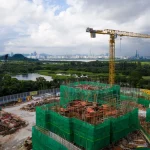
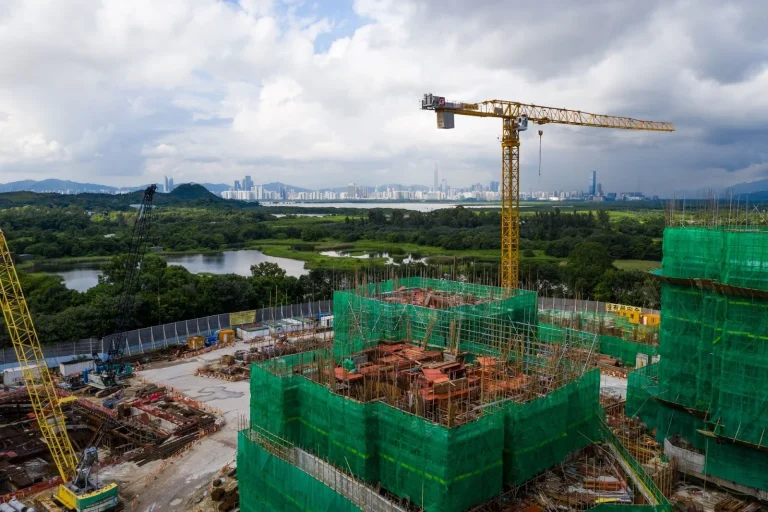
The silhouette of a crane against the morning sky has become a familiar icon of progress across Malaysia. It symbolises growth, development, and the ambition of our nation. Yet, beneath this symbol of construction prowess lies a significant and often overlooked risk. The reality on the ground is that Malaysia’s legislative framework for lifting operations is fragmented. Overlapping and sometimes inadequate regulations have created a confusing landscape for the industry. This lack of clarity means there is no single, clear competency standard for lifting teams. The result is a dangerous discrepancy in what it means to be ‘certified’, where a half-day crane safety training course can be seen as equivalent to an intensive three-day programme. This confusion directly contributes to preventable incidents and, tragically, fatalities. It’s time we look beyond the certificate and build a true culture of safety.
Moving Past Mere Certification
For too long, the industry has focused almost exclusively on operator certification. While essential, this is only the first step. True safety goes much deeper, addressing the critical failure points that basic certification often misses. A catastrophic failure is rarely the fault of a single action in the moment; its seeds are often sown long before the lift begins. Consider the assembly and disassembly of a tower crane. These are complex procedures where a single misstep can compromise the crane’s structural integrity, leading to disaster weeks or months later. Our rigging, slinging, signalling, tagline holding, lift supervising and lift planning for crane safety training is to ensure every member of the team understands these critical moments, not just the person in the cab.
Preparing for The Unpredictable
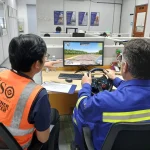
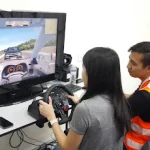
Standard operating procedures are one thing, but what happens when conditions change? High winds, sudden downpours, or unforeseen ground instability are common challenges on Malaysian work sites. The lifting team which comprises of riggers, slingers, signallers, tagline holders, lifting supervisors and lifting engineers must be trained not just to follow the manual, but to understand and respect the manufacturer’s protocols for adverse conditions. More importantly, we must prepare crews for the rare but devastating ‘Black Swan’ events—those high-risk scenarios that are difficult to predict. Through advanced simulation and practical drills, we can immerse teams in these high-pressure situations, building the muscle memory and critical thinking skills needed to manage a potential crisis before it escalates. This proactive preparation is a cornerstone of a robust riggers, slingers, signallers, tagline holders, lifting supervisors and lifting engineers crane safety training programme.
The Entire Lift Team Matters
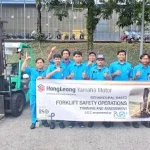
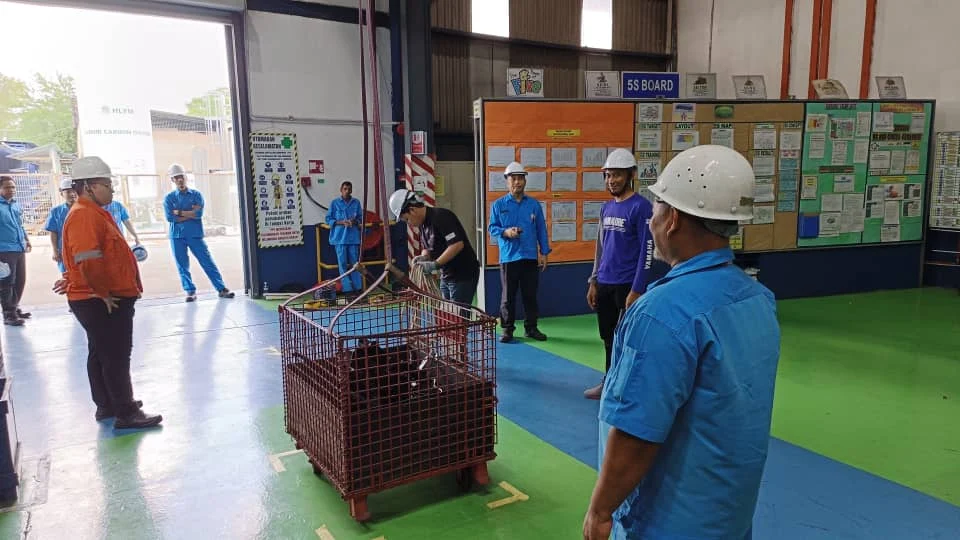
A crane operator, no matter how skilled, does not work in isolation. A successful and safe lift is the result of a coordinated effort by an entire team. This includes the lift planner (lift engineer), lifting supervisors, riggers, slingers, signallers and tagline holders. Too often, training is siloed, with only the operator receiving formal instruction. We believe this is a fundamental flaw. We engage the entire lift team. Lift Supervisors and Lift Planners/ Lift Engineers are trained on their specific oversight responsibilities, teaching them what to look for and how to intervene effectively. Signallers on the other hand are certified not just on a generic set of hand signals, but on crane-specific knowledge, communication protocols, and understanding the limitations of the machine they are guiding. Further to that Riggers and Slingers are specialized, safety-critical personnel in construction, maritime, and industrial sectors responsible for the safe attachment, stability, and movement of heavy loads using cranes or hoists. While often used interchangeably, they represent two distinct roles that often overlap in practice, particularly in offshore and construction environments
Accredited Lifting Training Programmes You Can Trust
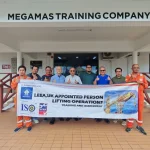
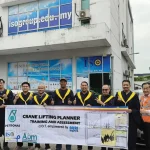
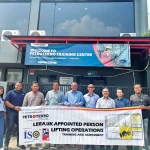
Our Lifting Planner, Lifting Engineer, and Lifting Supervisor programmes are not just internally developed courses, they are formally accredited by the prestigious Lifting Equipment Engineers Association (LEEA) of the United Kingdom.
This accreditation reflects a globally recognised benchmark in lifting safety, engineering competence, and operational excellence. LEEA is one of the world’s most respected authorities in lifting and rigging, setting strict standards that ensure every certified professional is trained to perform with precision, safety, and accountability.
By enrolling in our programmes, participants gain:
Internationally recognised certification that enhances professional credibility and employability
Comprehensive technical knowledge aligned with global lifting standards and best practices
Practical, real-world training that prepares them for complex lifting operations across industries
Improved compliance and safety awareness, reducing risks on-site
Whether you are developing new talent or upskilling experienced personnel, our LEEA-accredited programmes ensure your team is equipped with the expertise required to plan, supervise, and execute lifting operations with confidence and compliance.
Building a System for Real Safety
In a marketplace confused by varying standards, a comprehensive safety system becomes a powerful differentiator. It’s about creating a verifiable culture of safety, not just ticking a box. By bundling training for the entire lifting team, we ensure that everyone on site from the Lift Planner/ Lift Engineer to the rigger is operating from the same playbook and speaking the same language of safety. This advanced lifting operations / crane safety training curriculum, which goes far beyond basic requirements, is not an expense; it is an investment. It’s an investment in protecting your people, your projects, and your reputation. By raising the bar, we not only mitigate risk but also create a competitive advantage, signalling to clients and the public alike that safety is your top priority.
Ultimately, the goal is to shift the industry’s mindset. The current fragmented approach in Malaysia, where training quality and duration vary wildly, is untenable and puts lives at risk. A piece of paper should not be the end goal; genuine, demonstrable competence should be. By focusing on the entire lift team, preparing for rare events, and using data to foster continuous improvement, we can move beyond the confusion. This comprehensive method ensures that when we talk about safety, we are all on the same page. A robust, holistic crane safety training for lifting planners/ lifting engineers, lifting supervisors, riggers, slingers, signallers, tagline holders is the only way to safeguard our workforce and ensure that our nation’s progress is built on a solid and secure foundation.
Why is basic crane operator certification not enough in Malaysia?
Malaysia’s fragmented regulations mean certification standards vary greatly. A comprehensive approach is needed to cover critical areas beyond basic operation, such as assembly, team coordination, and handling adverse conditions, which a simple certificate may not address.
What is a 'lift team' in crane operations?
A lift team includes everyone involved in a lifting operation, not just the operator. It consists of the crane operator, signaller, rigger, slinger, lift planner/ lift engineer, and lift supervisors, who must all work together for a safe lift.
Does ISO Group offer crane safety training for the entire lift team?
Yes, we provide competency-based training programmes designed for every member of the lift team, which includes the lift planner/ lift engineer, lift supervisor, rigger, slinger, signaller, and tagline holder ensuring everyone shares the same high standard of safety knowledge and communication protocols.
Are ISO Group's crane safety training for rigging, slinging, signalling, tagline holding, lift supervising and lift planning programmes recognised in Malaysia?
Yes, our programmes are developed to meet and exceed industry standards, focusing on competency-based training that is aligned with the requirements for safe and compliant operations in Malaysia. Furthermore our programme i.e. Lifting Supervising and Lifting Planning are recognised by the Construction Industry Development Board in the local front whilst internationally accredited by the Lifting Equipment Engineers Association of the United Kingdom.
How does data help improve crane safety?
Using data from crane telematics helps identify unsafe operating habits, such as harsh braking or side-loading. This allows for targeted re-training to correct specific behaviours before they cause an accident.