How Long Does Forklift Training Take and What Skills Are Actually Tested? (Theory vs Practical Breakdown)
A blog site of our Principal Consultant, Major Frank TK Tan, PMP (Perak), PJK (Selangor), on his thoughts and years of understanding in the world of Occupational Safety and Health.
A finely-tuned warehouse operates like a well-conducted orchestra; every piece of machinery and every team member moves with purpose and precision. The forklift, a powerhouse of logistics, is your lead instrument. But without a skilled operator, its power can easily lead to discord instead of harmony. The days of a simple pass/fail certificate being enough are long gone. In today’s competitive Malaysian market, the quality and depth of your operator training can define the line between operational excellence and costly, preventable errors. We will explore how moving beyond basic compliance towards a modern, customised forklift training approach not only enhances safety but also builds a powerful competitive advantage for your business, ensuring your operations run smoothly and securely.
Tailoring Training To Your Unique Workplace
The idea that a single, generic training course can prepare an operator for every possible scenario is outdated and, frankly, dangerous. The Department of Skills Development (Jabatan Pembangunan Kemahiran) in Malaysia sets the essential standards, but these are a foundation, not a ceiling. True competence comes from a forklift training that is customised to the specific environment where the operator will be working. Think about it: navigating the tight, busy aisles of a food and beverage warehouse in Selangor presents entirely different challenges than handling bulky, irregular loads in a large-scale construction supplies yard in Johor. Our approach begins by understanding your unique operational context—the specific types of forklifts you use, the layout of your facility, the materials you handle, and your peak operational hours—to build a training programme that addresses your real-world risks.
Where Skill Meets Safety: The Practical Evaluation
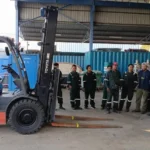
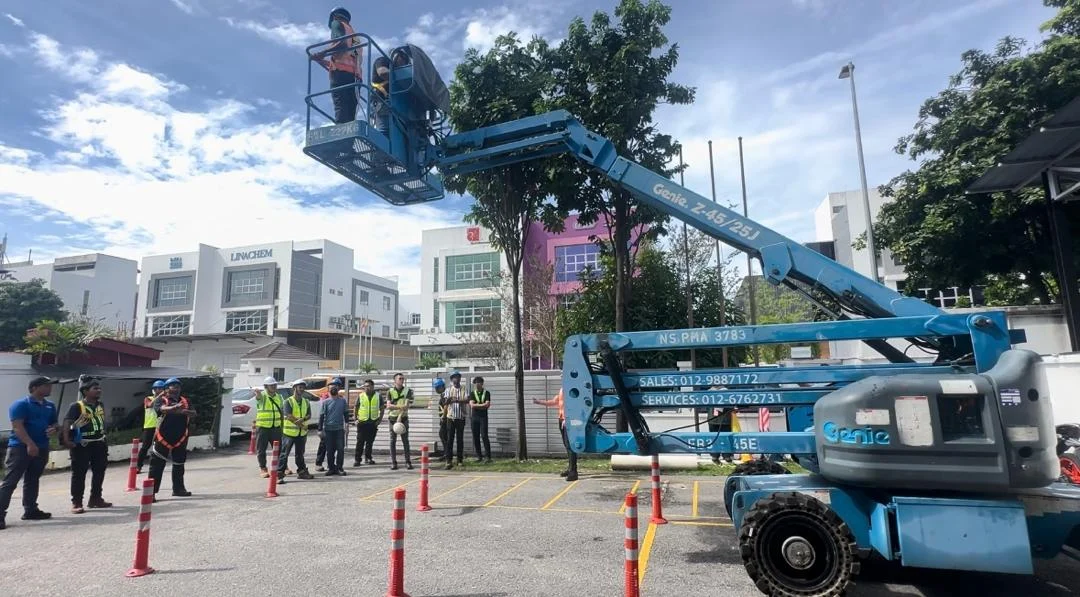
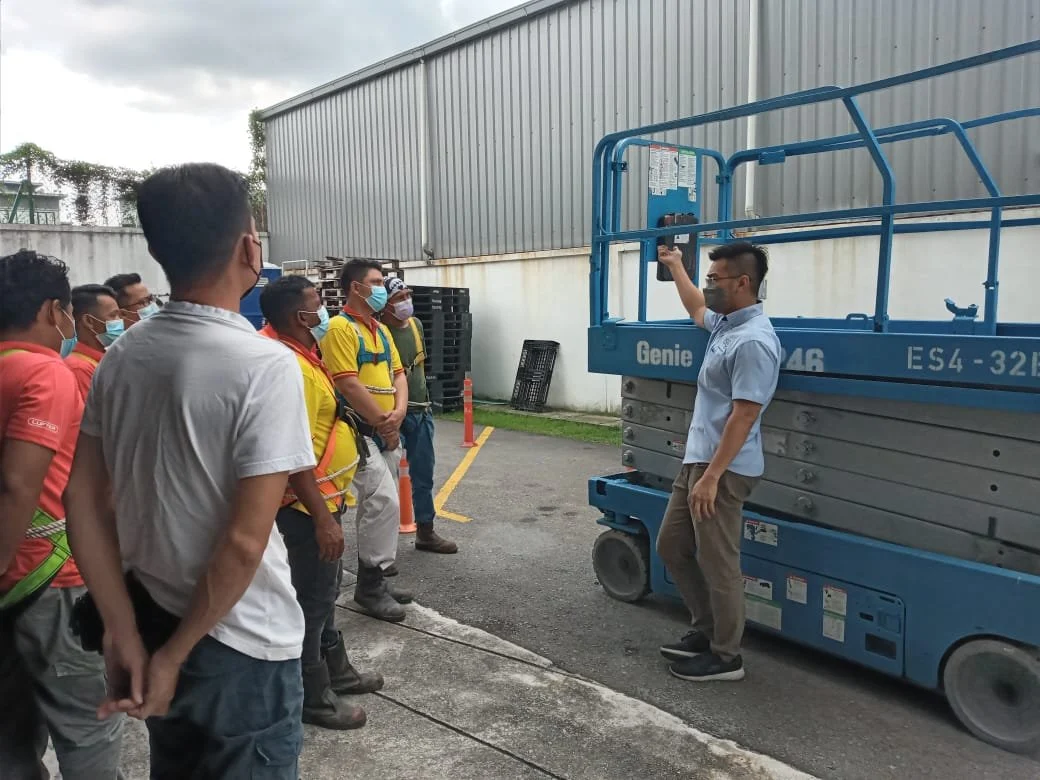
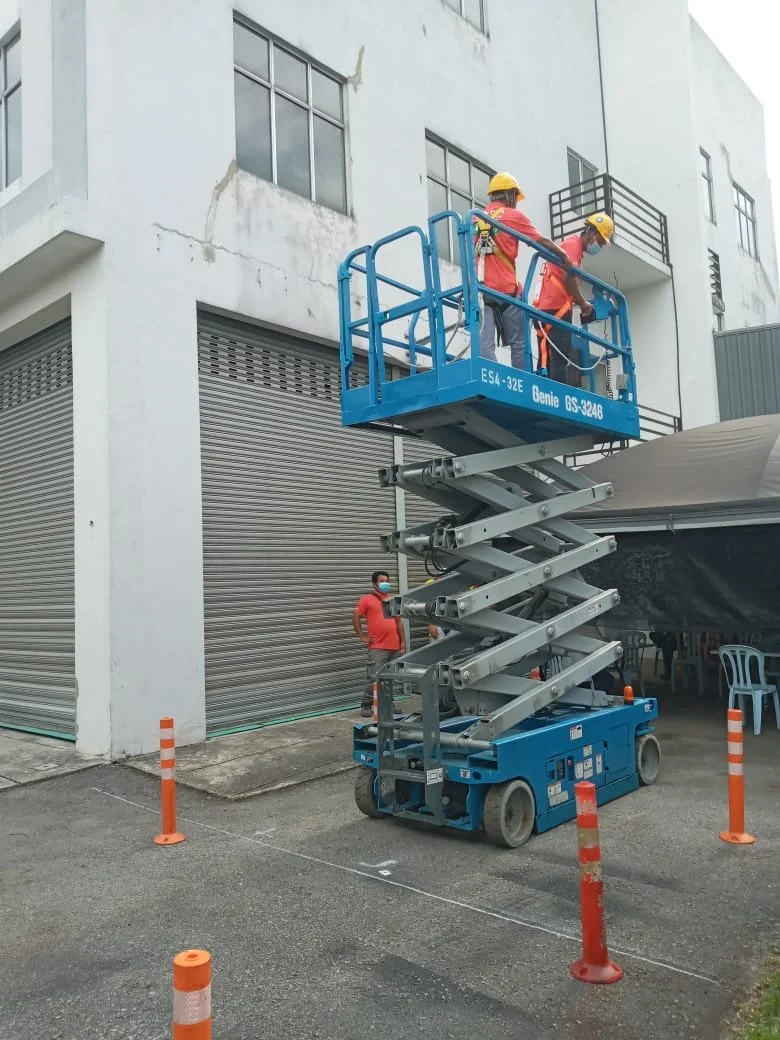
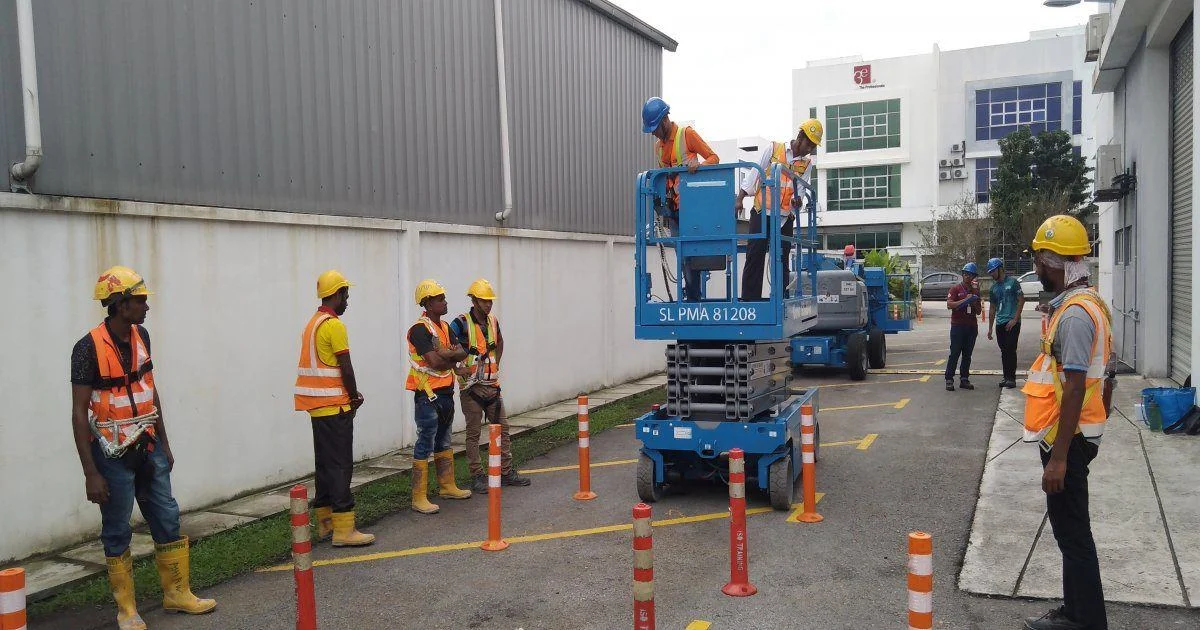
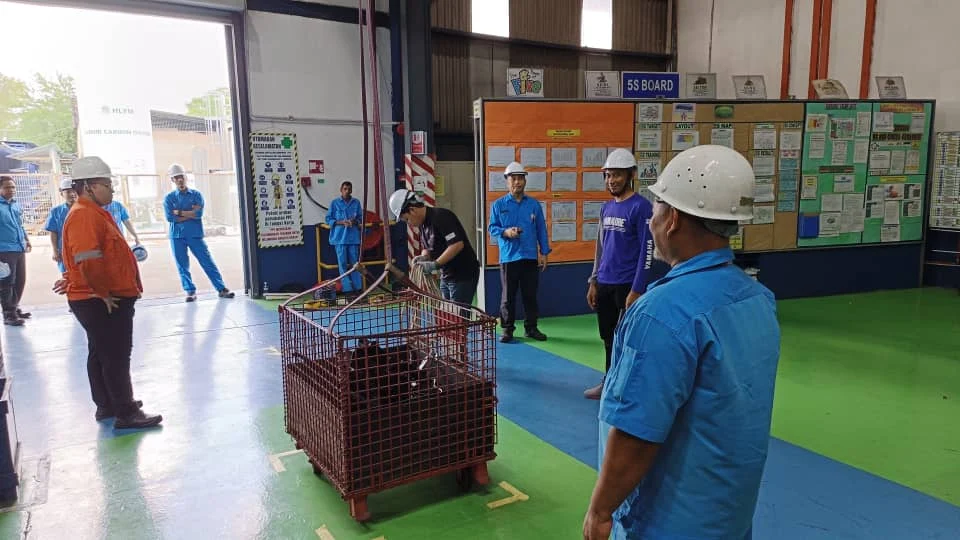
A certificate on the wall means little if the operator cannot safely and efficiently perform their duties under pressure. This is why a comprehensive practical evaluation is the heart of any worthwhile training programme. It’s about more than just driving in a straight line and lifting a pallet. A proper evaluation, conducted by professionally certified trainers, assesses the operator’s ability in a range of critical competencies. These include:
– Pre-operation inspections: Systematically checking the machine for faults before a shift begins.
– Precise manoeuvring: Navigating tight corners, ramps, and confined spaces without incident.
– Correct load handling: Understanding load centre principles, safe stacking techniques, and travelling with a load securely.
– Emergency responses: Knowing exactly what to do in the event of a tip-over or mechanical failure.
This hands-on validation ensures that operators are not just certified, but are genuinely competent and confident, a crucial distinction that some training providers who rely on self-certified instructors often miss.
Keeping Safety Skills Current And Compliant
Receiving a forklift training certificate is not the end of the training journey; it is the beginning. Over time, even the best operators can develop bad habits, or skills can diminish without regular reinforcement. Complacency is a significant risk in any routine-based job. This is why ongoing training is not just a best practice, but a necessity. Regular refresher courses serve to reinforce core safety principles and update operators on any new procedures or equipment. Furthermore, post-incident reviews and retraining are critical. If a near-miss or an accident occurs, it is a clear signal that a knowledge or skill gap exists. Using this as a training opportunity—to analyse what went wrong and reinforce correct procedures—is essential for preventing a recurrence and fostering a culture of continuous safety improvement.
Embracing Innovation In Operator Training
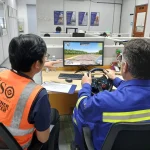
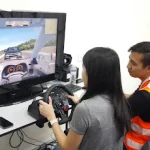
The field of workplace training is constantly evolving, and we are committed to incorporating new methods that deliver better results. Two of the most significant advancements are digital simulation and a heightened focus on pedestrian awareness. Digital simulators allow operators to practice navigating high-risk scenarios—such as equipment malfunctions, sudden spills, or interacting with unpredictable pedestrians—in a 100% safe virtual environment. This builds muscle memory and decision-making skills without any real-world risk. Simultaneously, modern forklift training programmes now place a huge emphasis on pedestrian awareness. Since a significant number of forklift-related accidents involve individuals on foot, training operators to be constantly aware of their surroundings and anticipate the actions of others is paramount to creating a truly safe workplace for everyone.
From Safety Expense To Strategic Advantage
Ultimately, investing in a high-quality, comprehensive forklift training programme is one of the smartest business decisions you can make. It transforms a compliance requirement into a powerful strategic asset. When your operators are expertly trained, you mitigate the most significant safety risks, leading directly to fewer workplace injuries and a reduction in costly workers’ compensation claims. You will also see a marked decrease in damage to equipment, racking, and products, lowering repair bills and inventory loss. Beyond the cost savings, a skilled workforce is a more productive workforce. Efficient and confident operators complete tasks faster and with fewer errors, boosting your overall operational efficiency. This commitment to safety and skill development also enhances employee morale and positions your company as an employer of choice, giving you a distinct competitive edge in the marketplace.
In closing, the path to a safer, more efficient, and more profitable operation runs directly through your team’s competency. Moving beyond the checklist mentality of basic certification towards a holistic training strategy is no longer just an option; it’s essential for thriving in the modern Malaysian industrial landscape. By investing in customised training, rigorous practical evaluations, continuous skill development, and innovative new methods, you are not just preventing accidents. You are investing in your people, protecting your assets, and building a more resilient, productive, and successful business. We believe that the right training partner is one who understands this, working with you to develop a programme that delivers tangible returns far beyond the initial cost.
What is the main difference between your forklift training and cheaper alternatives?
We provide comprehensive training based on Malaysian DSD (JPK) standards, conducted by properly certified trainers accredited with the Diploma in TVET-i that ensures your operators are not just licensed but truly competent and safe.
If my employee is certified on a counterbalance forklift, can they operate a reach truck?
No, different types of Material Handling Equipment (MHE) like reach trucks require separate, specific training and certification, much like how different vehicle categories require different JPJ licenses.
How often should my forklift operators receive refresher training?
The OSHA of the United States of America and best practices guidelines recommends competency of forklift reassessment must be done at a 3-yearly regular intervals. However, if an operator is involved in an incident or observed to be operating unsafely, then the reassessment should be conducted sooner.
Do you offer training customised for our specific warehouse in Malaysia?
Yes, we specialise in tailoring our training programmes to your unique worksite, equipment, and operational challenges, whether you are in Kuala Lumpur or Kota Kinabalu.
Why is pedestrian awareness included in modern forklift training?
Including pedestrian awareness is critical because many forklift-related incidents involve pedestrians. Training both operators and ground staff on safe interaction creates a safer work environment for everyone.