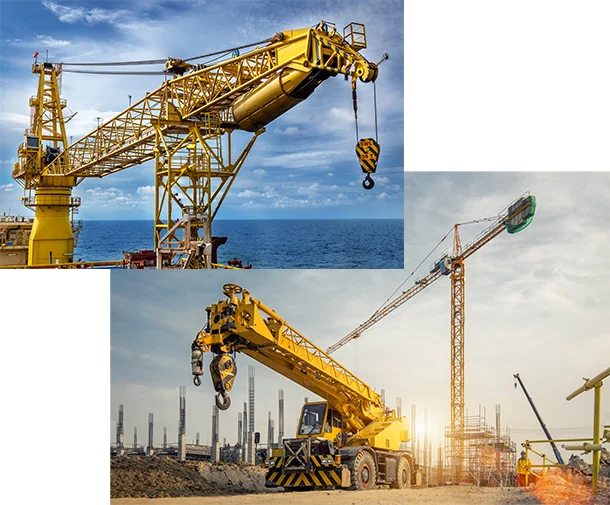
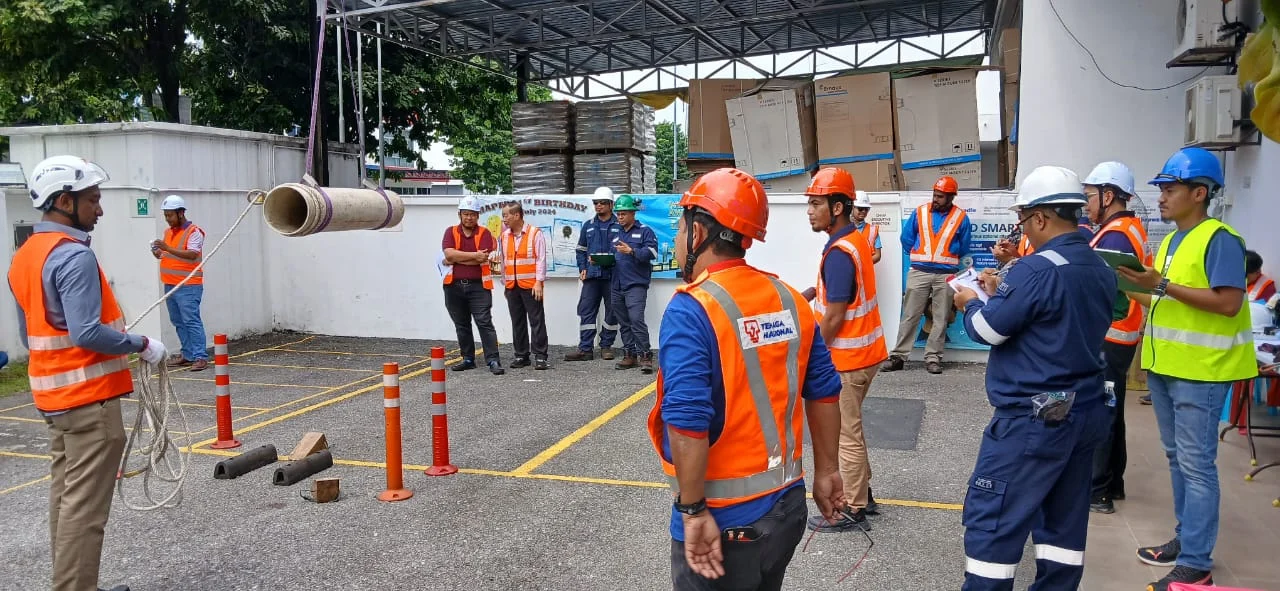
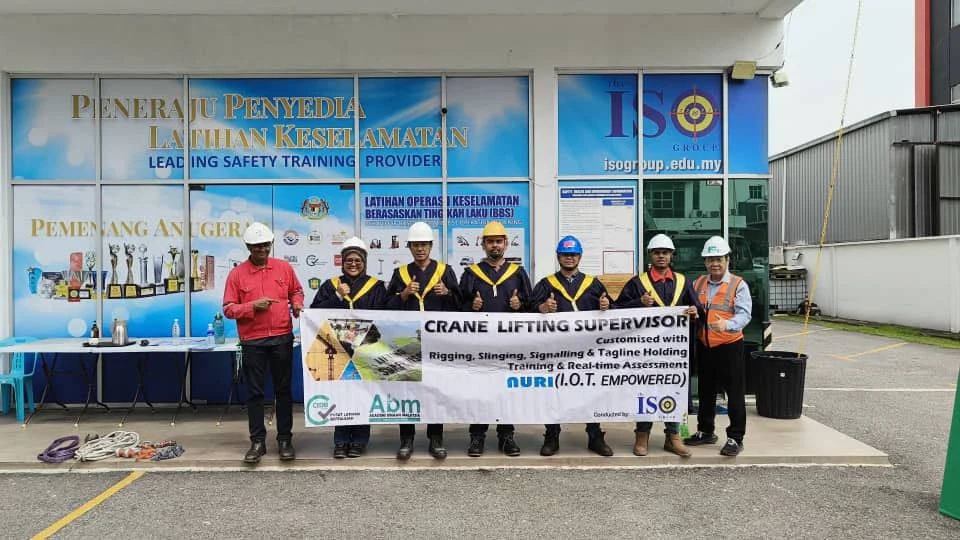
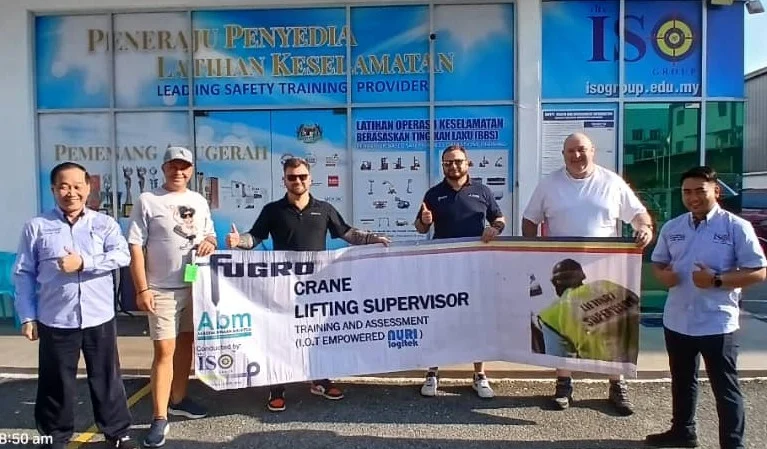
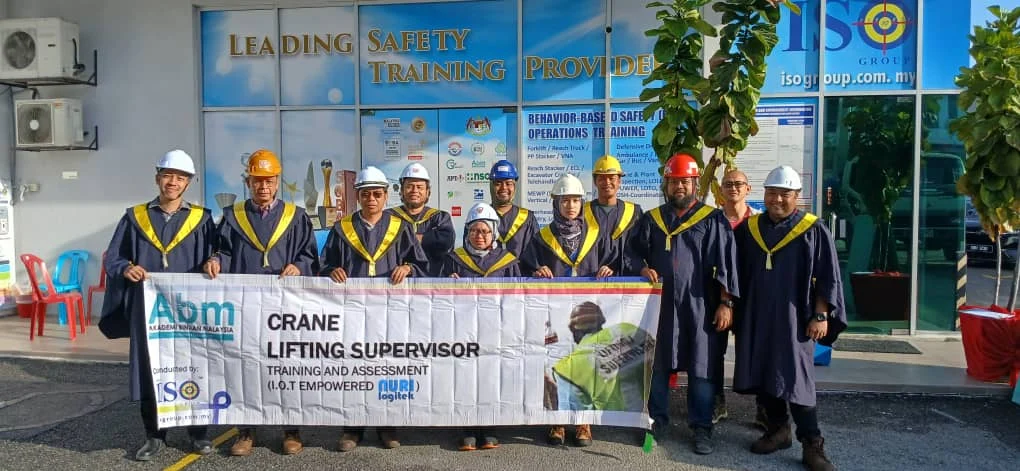
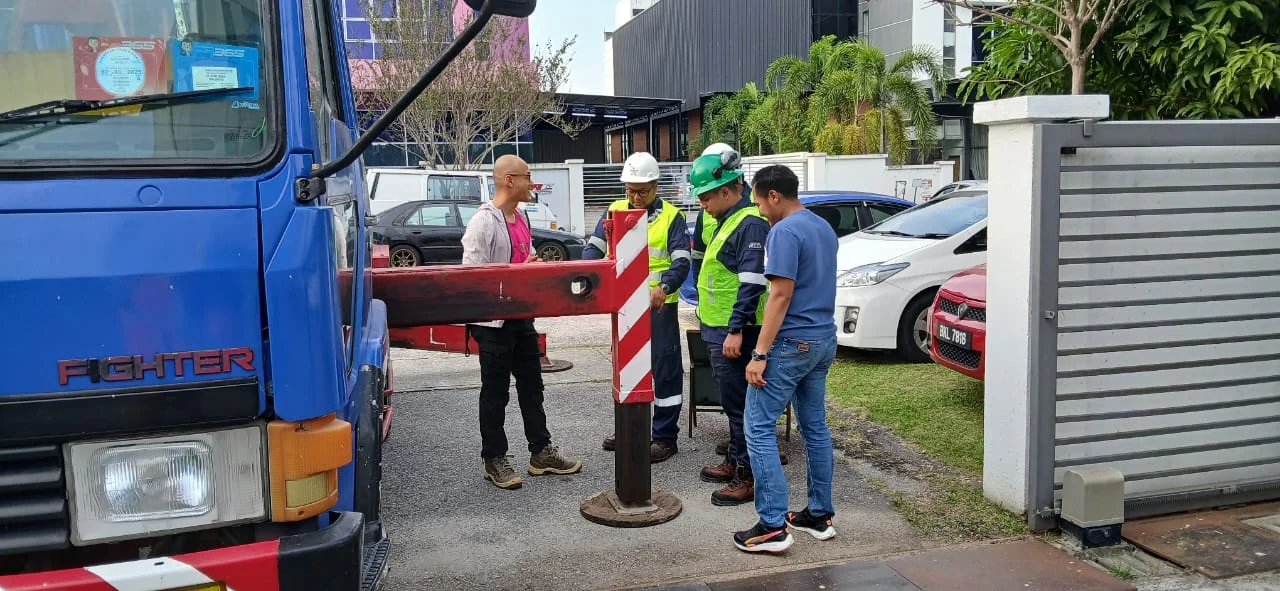
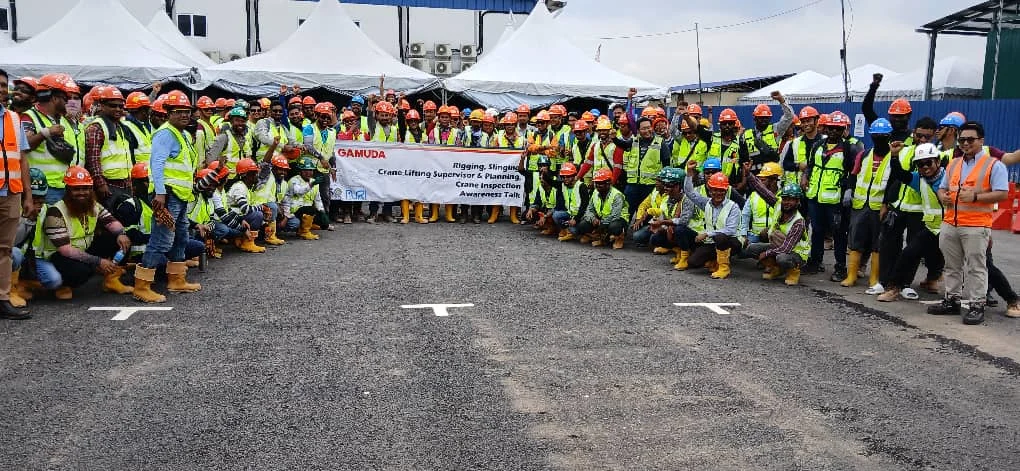
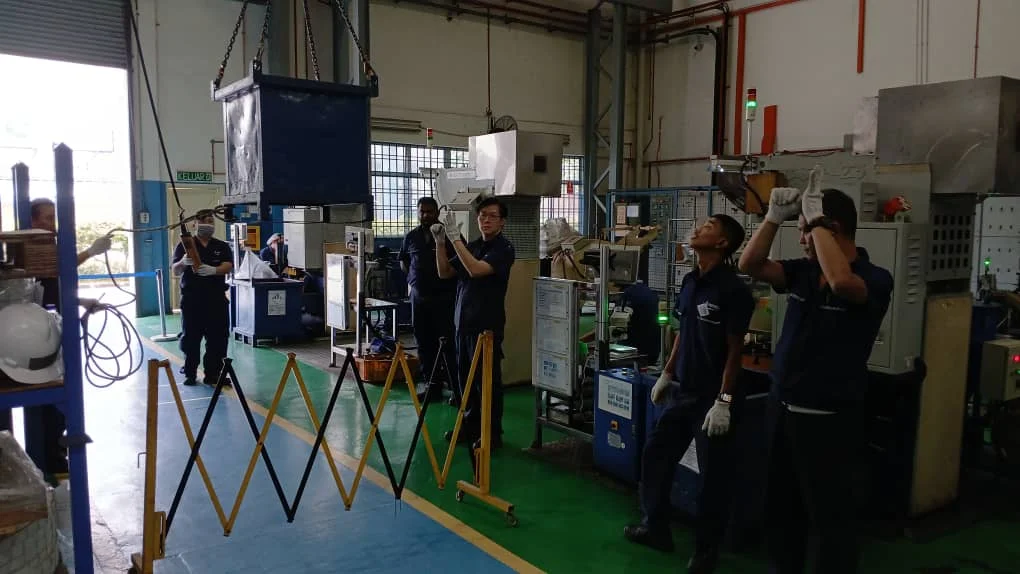
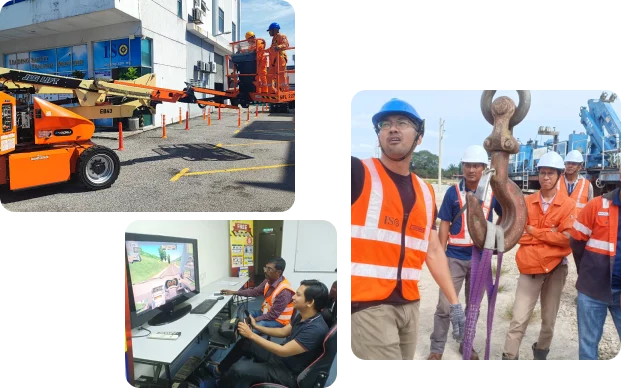
The Crane Lifting Supervisor Training is a three-day program designed to bridge the gap between technical skill and professional oversight. Since inadequate planning is a leading cause of crane accidents, this course positions the supervisor as the primary line of defense for site safety. The curriculum covers core competencies including candidate selection, advanced slinging techniques, and standardized signaling. It also emphasizes “Asset Integrity” through strict compliance with inspection and maintenance procedures to ensure all equipment is fit for service.
A central focus is mastering risk management via the HIRARC framework. Participants learn to perform real-time hazard identification for site-specific risks, such as ground conditions and overhead obstructions. By implementing a “Safe System of Work,” supervisors earn the authority to lead through demonstrated proficiency. Ultimately, the training ensures that every lifting operation is vetted and executed within a rigorous organizational framework that meets recognized safety standards.
Risk Mitigation and Safety Planning:
– Learn how to identify site-specific hazards and implement a Safe System of Work to prevent catastrophic accidents.
Operational Oversight and Management:
– Master the technical planning and professional monitoring of lifting operation, including the selection of appropriate cranes and lifting accessories.
Safety Leadership and Asset Integrity:
– Developing the leadership skills necessary to manage personnel safety while ensuring lifting equipment remains compliant through rigorous inspection and maintenance procedure.

Crane Lifting Supervisors:
Individuals tasked with the specific responsibility of overseeing and effectively discharging the duties of a Crane Supervisor during lifting activities.
Locally Certified Professionals Seeking Advanced Roles:
Individuals holding basic Crane Lifting Supervisor certifications from bodies such as the Department of Skills Development (Malaysia), Akademi Binaan Malaysia, or CIDB who need to demonstrate a high level of international recognized operational competence.
Specialized Riggers and Signalers:
Those looking to upgrade their tactical skills in advanced slinging techniques and standardized signaling within a formal supervisory framework.
Safety and Health Officers/ Site Safety Supervisors:
Employees responsible for site-specific risk assessments, hazard identification, and the implementation of a “Safe System of Work”.